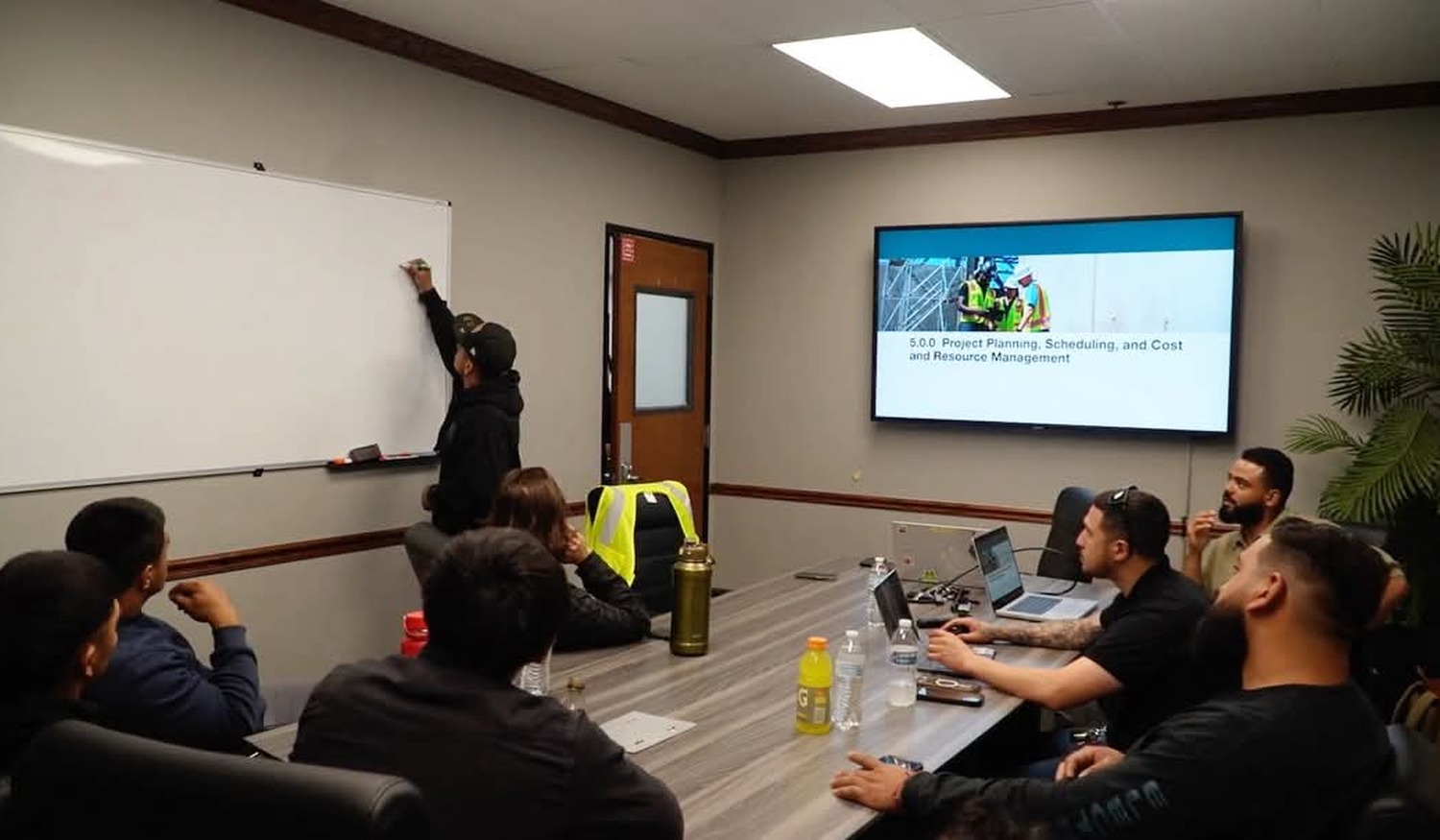

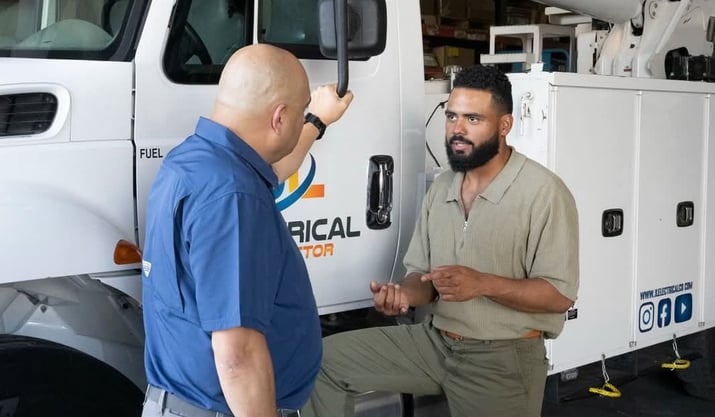
Your best electrician is now the foreman. You trust their work. They solve problems, help the crew and know what it takes to finish a job.
So you give them more responsibility. “Take care of the materials.” “Handle the customer.” “Keep the job moving.”
A few days later, you are checking on all three. Did the order arrive? Did the customer get an update? Who is handling the next step?
Before you take the work back, look at the handoff. Did you explain the result, the decisions they could make and when you needed an update?
Start with what done looks like
A foreman needs a clear finish line. “Order the material” leaves room for several different ideas of what is complete.
Here is an example: “Confirm the material list for the job, place the order by Thursday at noon, confirm delivery with the supplier and put the confirmation in the job record.”
Now the task includes the information the office and crew need. Everyone can check the same result without relying on a conversation the owner remembers.
Ask the foreman to walk you through the plan. You may discover a missing detail, a supplier problem or a training need before it affects the job.
Give the responsibility one owner
Choose one person to move the work forward. Other people can help, but “the guys” or “the office” is too vague when a deadline arrives.
Name a backup for absences. Tell both people where the instructions and updates belong. A responsibility should survive a day off without returning automatically to the owner.
Explain which decisions they can make
Responsibility needs decision limits. A foreman should know what they can resolve and what needs your approval.
For the material example, agree on purchasing authority, how substitutions are handled and when a delivery problem must be raised. Use limits that fit your business and the job.
For customer communication, be clear about who can confirm an arrival time and who can approve changes to price or scope. A confident answer is useful only when the person has the authority and information to give it.
Replace constant checking with a review point
Set the next action, its due time and a check-in. Make the check-in early enough to deal with a problem while there is still time to respond.
“Update the job record after the supplier confirms. We will review any open delivery issues Thursday afternoon.”
Also agree on what cannot wait for that review. If a delay will affect tomorrow’s crew, the foreman needs a clear way to raise it now.
At the review, look at the result together. What was completed? What got stuck? What support or instruction would make the next handoff clearer?
Try this on one task this week
Choose one recurring responsibility you keep checking. Write these four answers before handing it off:
- What does done look like? Describe the result and where completion will be recorded.
- Who owns it? Name one person, a backup and the decisions they can make.
- What is the next action? Make it specific and give it a due time.
- When will we review it? Set the check-in and explain what should be raised sooner.
Then ask the person receiving it what they need from you. A new title does not replace instruction, practice or access to the right information.
Build the people who can carry the work
Promoting a strong electrician gives you an opportunity to develop a leader. Make room for that learning. Start with one responsibility, review it and expand as the person becomes ready.
The aim is a team that understands the work well enough to move it forward, with you available for the decisions that still belong to you.
We will work on that shift in Owner to Leader, the first session of Energize Us EDU’s free contractor webinar series, on October 19, 2026, from 12:15 to 1:00 p.m. Eastern.
Bring one responsibility that keeps coming back to you. The webinar page has a printable action sheet to help you define the owner, expected result, next action and review date. You can use it before the session.
Open the action sheet and register for Owner to Leader
The live session is in English on Zoom. Partner services are optional; no purchase is required to attend.