The right training for an electrical contractor depends on the problem you need to solve. Business coaching can help an owner improve estimating, follow-up, operations, and leadership. Apprenticeship instruction develops the crew’s technical knowledge. Project-management and safety courses address other needs. Compare programs by their purpose, practical work, instructor support, and fit for your team.
This guide is published by Energize Us EDU Inc. and includes our own programs. The five options below serve different goals; their order is not an independent quality ranking.
Compare five contractor training options
| Provider or program | Primary focus | Question to ask before enrolling |
|---|
| Energize Us EDU: BULD and electrical apprenticeship training | Contractor business development or electrical workforce education | Which program fits our owner, crew, location, and immediate priorities? |
| NCCER Electrical | Structured electrical craft curriculum and assessment | Which accredited training provider will deliver instruction and assess skills? |
| Columbia University Construction Management on Coursera | Project planning, scheduling, estimating, and financial management | Does a broad construction-management course address our electrical business needs? |
| Contractor Academy in Colorado | Contractor professional development and business growth | Which current course or cohort fits our location and schedule? |
| SC Training by SafetyCulture | Mobile workforce training and learning administration | Which lessons support our procedures, and what practical instruction will we provide? |
1. Energize Us EDU: business development and electrical training
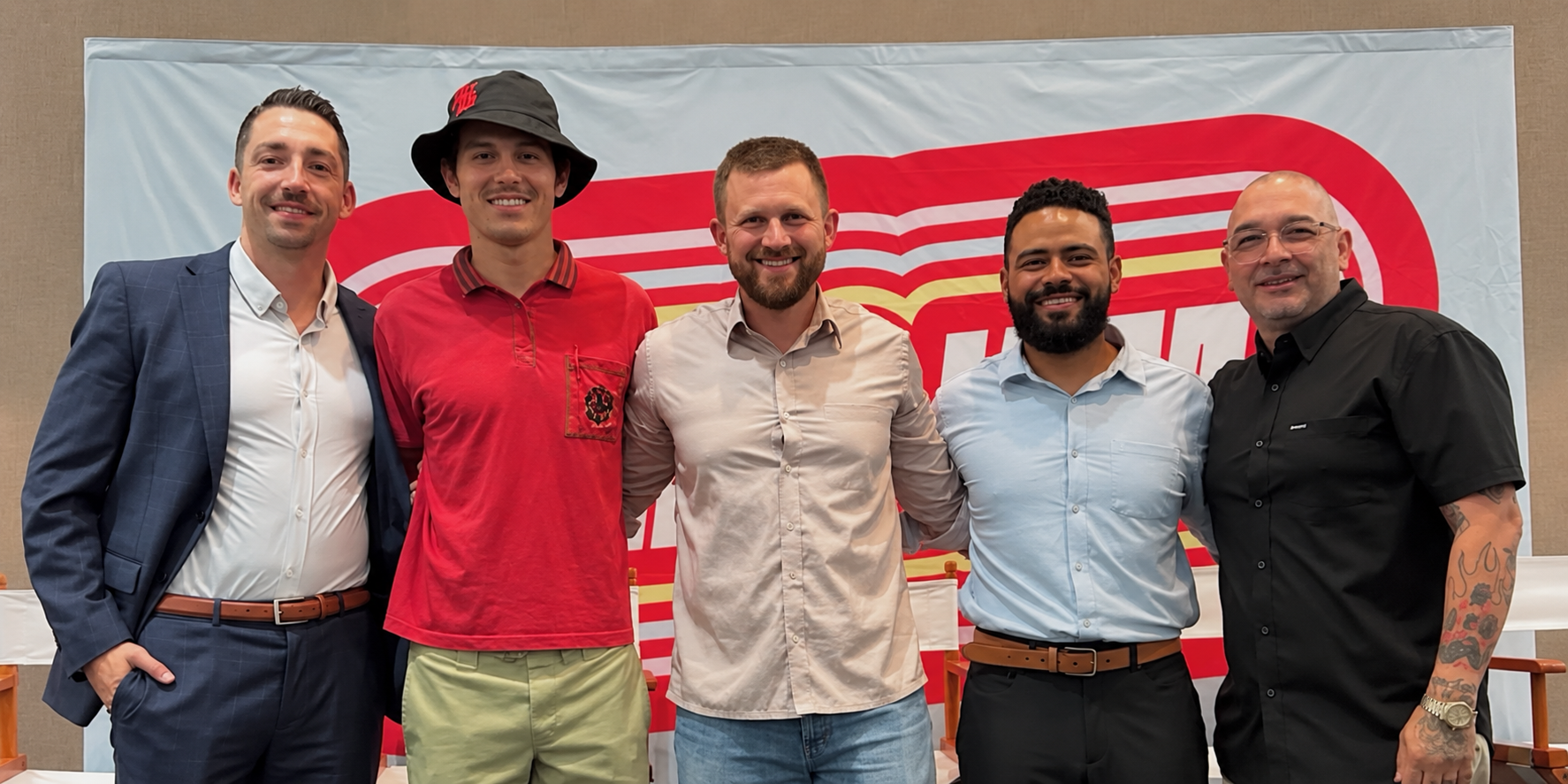
Energize Us EDU Inc. was founded by electrical contractor Wilson Matthew Betances, known as Will Betances. We work with contractors and share practical lessons on building stronger crews and businesses.
BULD contractor support
BULD provides 12 months of contractor support, starting with 90 days of hands-on work on estimating, follow-up, operations, and leadership. It is relevant when the owner’s priority is improving how the company operates and how the team takes responsibility.
Bring specific problems to the conversation: estimates that never receive a follow-up, inconsistent job handoffs, unclear responsibilities, or decisions that repeatedly come back to the owner. Discuss the work involved, team participation, and how progress will be reviewed. Explore BULD contractor development.
Electrical apprenticeship training
Our electrical apprenticeship training covers NCCER Electrical Levels 1–4 and connects instruction with practical learning and apprentice progress tracking. Contractors should discuss the curriculum, delivery arrangements, supervision, and requirements for their location before enrollment.
These are different needs: an owner may need business support while a crew needs technical education. A training conversation should establish which program fits each goal. Send a company training inquiry.
2. NCCER Electrical: structured craft education
NCCER’s electrical curriculum covers electrical theory, safety, drawings, installation, and related craft skills. NCCER provides curriculum and a credentialing framework; delivery arrangements depend on the training organization.
Ask the provider which levels it teaches, how practical skills are evaluated, which records you receive, and whether the provider is accredited for the relevant training. You can use NCCER’s provider and credential resources to investigate the pathway.
3. Columbia University on Coursera: construction management
Columbia University’s Construction Management Specialization on Coursera covers project planning, scheduling, cost estimating and control, and construction finance. It uses online learning and applied projects.
This option may fit someone developing broader project-management skills. Review the syllabus and assignments against the work you actually manage. A general construction-management course serves a different purpose from electrical craft instruction or support implementing processes inside your own company.
4. Contractor Academy: contractor development in Colorado
Contractor Academy in Denver offers professional-development courses, a Scaling for Growth program, and business-networking opportunities. Its published offerings focus on business owners and employees in construction.
Check the current course schedule, cohort requirements, location, and attendance format directly with the academy. Use those details to assess whether it fits your team; do not assume every offering is available online or nationwide.
5. SC Training: mobile workforce learning
SC Training by SafetyCulture provides mobile learning, course creation, and tools for assigning and tracking training. A platform like this can support onboarding, company procedures, and recurring learning for a distributed crew.
Review individual lesson content and the training records it produces. Plan how a supervisor will demonstrate tasks and check practical understanding alongside digital lessons. Confirm current features and pricing with the provider.
How to choose a course for your electrical contracting business
- Name the business problem. Examples include inconsistent estimates, weak handoffs, apprentice skill gaps, or a new foreman who needs support.
- Identify the learner. The owner, office team, foreman, and apprentice may need different instruction.
- Ask what the learner will do. Look for assignments, demonstrations, feedback, or implementation work relevant to the goal.
- Confirm the full commitment. Discuss tuition, materials, time away from work, travel, supervision, and any additional requirements.
- Agree on evidence of progress. Use completed work, demonstrated skills, documented processes, or other measures appropriate to the training.
Questions electrical contractors ask about training
What is the best course for an electrical contractor?
Start with the outcome you need. BULD addresses contractor business development. Electrical apprenticeship instruction supports technical workforce development. Project-management courses and learning platforms serve additional needs. Ask each provider to explain how its work matches your specific goal.
Is contractor business coaching the same as apprenticeship training?
Business coaching focuses on how the company operates and is led. Apprenticeship combines structured learning with supervised work to develop occupational skills. Energize Us EDU offers support in both areas through distinct programs.
Does completing a course automatically provide a license?
Confirm licensing and program requirements with the relevant authority for your location. Coursework, credentials, employment, and program registration are separate considerations. NCCER provides a state licensing and reciprocity resource through its electrical program page.
What should I bring to a conversation with Energize Us EDU?
Bring your company’s location, team size, current training needs, and the operational problem you want to address first. For business support, review BULD. For technical crew development, use our apprenticeship inquiry form.